
Why Washing Road Salt Off Your Car Is Critical During Massachusetts Winter


If you live in Massachusetts, you already know: winter roads are heavily treated with salt to melt snow and ice. While that salt makes driving safer, it can quietly damage your vehicle — especially your paint, undercarriage, wheels, and trim.
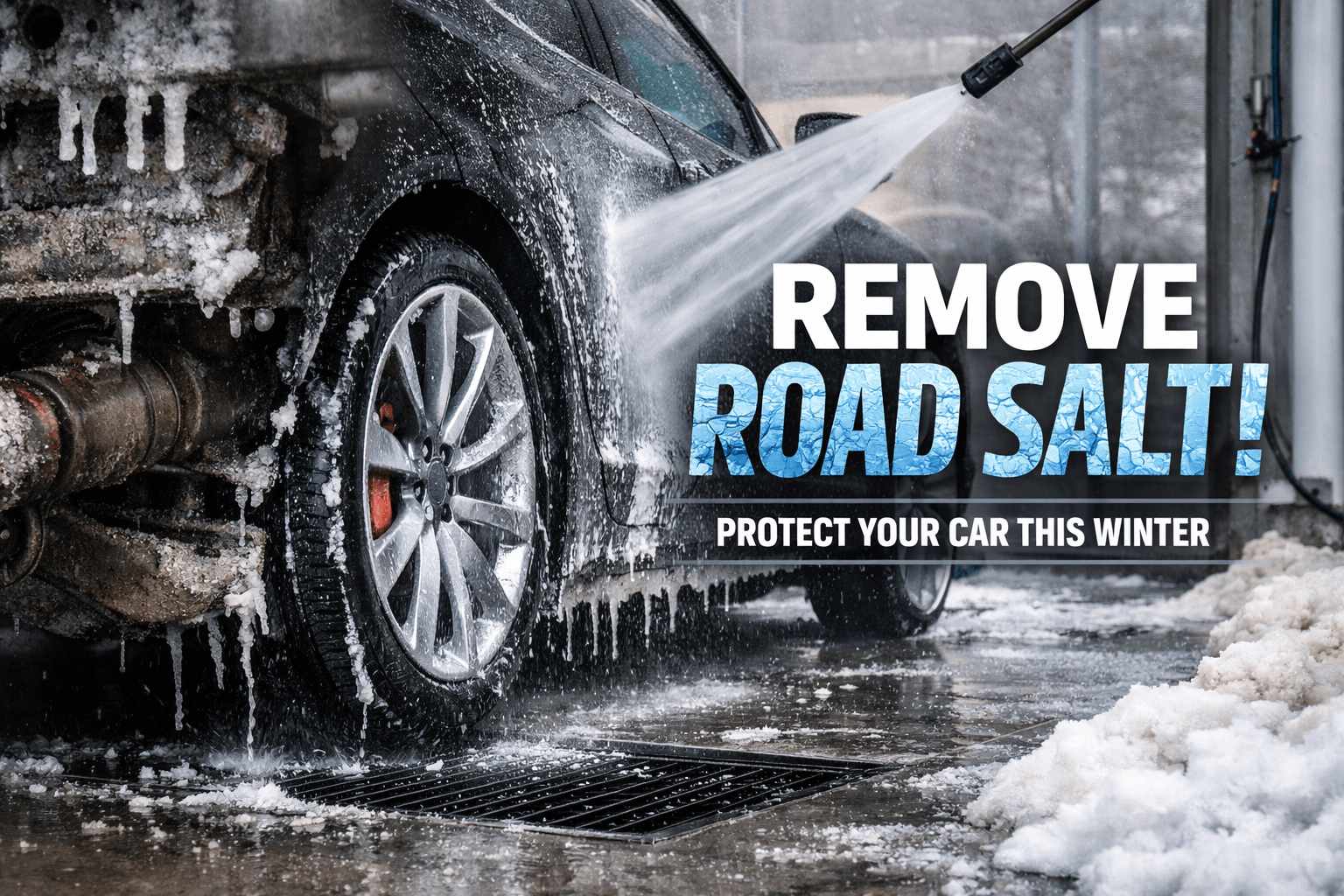
For exotic, luxury, or even daily-driven vehicles, removing road salt isn’t optional. It’s essential.
At CS Automotive Paint Protection, we see firsthand how quickly untreated salt can affect a vehicle’s finish during New England winters. Here’s why regular winter washing should be part of your protection routine.
Why Road Salt Is So Damaging
When snow falls across Massachusetts, municipalities apply large amounts of sodium chloride and other de-icing agents. These materials:
- Stick aggressively to paint and clear coat
- Trap moisture against the surface
- Accelerate corrosion
- Attack exposed metal components
- Stain wheels and brake calipers
Salt is hygroscopic — meaning it attracts and holds moisture. Even on dry winter days, salt residue continues pulling water from the air, creating the perfect environment for corrosion.
Over time, this can lead to:
- Clear coat deterioration
- Paint bubbling or etching
- Rust formation on undercarriage components
- Damage to suspension and brake parts
For high-end and exotic vehicles, that kind of damage directly impacts value.
The Hidden Danger: It’s Not Just the Paint
Many drivers focus only on visible paint damage. But salt accumulation also affects:
- Wheel wells
- Brake components
- Rocker panels
- Exhaust systems
- Suspension parts
- Undercarriage frame sections
Without proper rinsing, salt builds up in areas you can’t easily see — and those are often the most vulnerable.
How Often Should You Wash Your Car in Winter?
In Massachusetts winter conditions, we recommend:
- Washing every 1–2 weeks during heavy salting periods
- Immediate washing after snowstorms
- Undercarriage rinse every time
Even if the car “looks clean,” salt may still be bonded to the surface.
Proper Winter Washing Matters
Not all washes are equal. During winter:
- Use touchless or professional hand washes
- Ensure high-pressure undercarriage rinsing
- Avoid harsh brushes that can grind salt into the paint
- Dry thoroughly to prevent freezing in seals and trim
A professional winter wash removes salt safely without causing swirl marks or micro-scratches.
Add Protection Before It’s Too Late
Washing removes salt — but protection prevents long-term damage.
- Services like:
- Paint Protection Film (PPF)
- Ceramic Coating
- Professional detailing
create a barrier between salt and your vehicle’s finish. These protective layers make winter maintenance easier and significantly reduce corrosion risks.
Protect Your Investment This Winter
Massachusetts winters are unavoidable — but damage doesn’t have to be.
If your vehicle has been exposed to road salt, now is the time to act. Regular washing combined with professional-grade protection ensures your paint, wheels, and undercarriage stay in top condition.
At CS Automotive Paint Protection, we help drivers throughout Middleton, Danvers, Peabody, and the greater Boston area maintain and protect their vehicles year-round.
📍 2 Debush Ave Unit B-2, Middleton, MA 01949
📞 (978) 223-8170
🌐 cspaintprotection.com
Don’t let road salt quietly ruin your vehicle. Wash it. Protect it. Preserve it.